Living With the Land: Eco-Architecture for Village Homes

Today we explore Eco-Architecture that Seamlessly Integrates Village Homes with the Landscape, celebrating buildings shaped by soil, slope, wind, and water. Discover strategies that let walls breathe, roofs harvest, and courtyards cool, while families stay warm, healthy, and connected. Expect practical insights, gentle science, and heartfelt stories showing how small decisions—like orienting rooms to the morning sun or using lime-plastered earth—create comfort, cut costs, and protect local ecosystems. Share your memories, ask questions, and help this growing circle of place-loving builders thrive.

Listening to Soil and Slope

Soil holds secrets about structure, moisture, and future gardens. A quick jar test shows clay, silt, and sand proportions, guiding foundations and earthen mixes. Gentle terraces follow contour, slowing runoff and stabilizing paths. Place heavy rooms where slope is stable, light pavilions where breezes meet. When you align footings and drains with the land’s grain, maintenance eases, erosion slows, and homes feel anchored rather than imposed.

Water Patterns and Seasonal Breath

Follow the first rain after a dry spell and you’ll map gutters, gullies, and playful rills faster than any survey. Mark high-water marks, protect riparian grasses, and shape swales that feed orchards instead of roads. In monsoon regions, raised plinths guard sleeping floors; in drought, mulched basins and storage jars stretch every drop. Designing with these rhythms delivers resilience, clearer wells, and fewer anxious nights when clouds gather unexpectedly.

Earth and Lime Reborn

Rammed earth, adobe, or compressed blocks bring delightful heft and forgiving finishes. Lime-stabilized plasters resist rain while remaining vapor-open, helping interiors stay dry without machines. Pigments from iron oxides or plant ashes create warm hues that never peel. Plan generous base courses, caps, and drips to outsmart weather. When a child scuffs a wall, a handful of local soil and a trowel restore beauty within minutes, not costly deliveries.

Timber with a Traceable Story

Select timber species adapted to your climate, verified by community foresters or trusted sawyers. Season boards properly beneath shaded airflow to reduce twist and waste. Use joinery that celebrates local craft, pairing pegs with discreet steel where earthquakes demand. Natural oils and boron salts deter pests without toxic residues. Each beam becomes a ledger of rainfall, care, and patience, carrying warmth no laminate can match, while supporting livelihoods rooted in living forests.

Stone, Thermal Mass, and Time

Stone foundations lift earthen walls from splash zones, and thick interior walls bank daytime warmth for evening comfort. Reclaimed slabs transform into thresholds polished by bare feet. Dry-stacking with earthen chinking allows future disassembly and reuse. Where quarries lie nearby, transport energy plummets and heritage proportions reappear. Add lime pointing and decent capstones, and you’ll gain a home that holds silence beautifully, cooling courtyards by day and releasing kindness at night.

Courtyards as Climate Engines

An inward garden calms dust, collects soft light, and creates a child-safe play heart. Evaporation from basins cools air, while night-sky exposure sheds heat effortlessly. Frame doors opposite each other to encourage cross-ventilation, and keep eaves deep for shade and shelter. Add herbs, guavas, or jasmine to sweeten breezes. Courtyards also become stages for music, grain drying, and neighborly tea, strengthening bonds alongside comfort with every passing season.

Roofs That Harvest and Shade

Roofs do far more than keep rain off. Their pitch sets harvest volumes; their color nudges thermal gain; their edges cast moving shade. Metal sheets paired with insulation manage heat spikes, while clay tiles whisper during showers. Gutter-first design simplifies maintenance and water quality. Where structure allows, integrate light-weight solar arrays above ventilated cavities to avoid overheating. A thoughtful roof writes daily comfort, water security, and long-term savings in graceful, protective lines.

Energy, Water, and Circular Systems

Resource flows define daily life. Size rain tanks using roof area and reliable rainfall, then route first-flush diverters to gardens. Greywater wetlands turn chores into irrigation; composting systems transform peels into soil. Solar panels paired with modest batteries stabilize evening loads, while efficient stoves cut smoke and bills. Design loops that neighbors can understand, repair, and trust. Transparency builds stewardship, and stewardship keeps systems humming well after the ribbon-cutting photographs fade.

Co-Design With Elders and Youth

Map daily routes to wells, schools, and fields with colored chalk on the ground. Elders recall flood years and wind directions; youth imagine playgrounds, study nooks, and charging spots. Translate needs into shared priorities, then test models in cardboard or clay. This process strengthens trust, reveals surprises, and protects budgets from late changes. When people see themselves in plans, they volunteer, monitor quality, and receive finished places with genuine affection.

Training Local Hands, Keeping Value Local

Workshops on lime, joinery, and earthen mixes turn neighbors into confident builders. Apprenticeships pair quick learners with patient masters, raising wages and pride. Clear mockups reduce mistakes; shared tool libraries cut costs. As techniques root locally, maintenance becomes culture instead of crisis. Write us if you want starter curricula, safety checklists, or simple bill-of-quantities templates designed for small teams. Knowledge anchored in villages outlasts contracts and keeps homes thriving.

Celebrations, Markets, and Shared Spaces

Porches wide enough for drums, courtyards that frame cooking fires, and steps scaled for gossip become social engines. Weekly markets need shade, water points, and cleanable floors that welcome traders with dignity. Carve niches for notice boards, seed swaps, and repair clinics. Architecture then supports cooperation as naturally as rain feeds fields. Share photos of your gathering places with us; your examples spark others to design for joy, equity, and kindness.

Stories from the Field
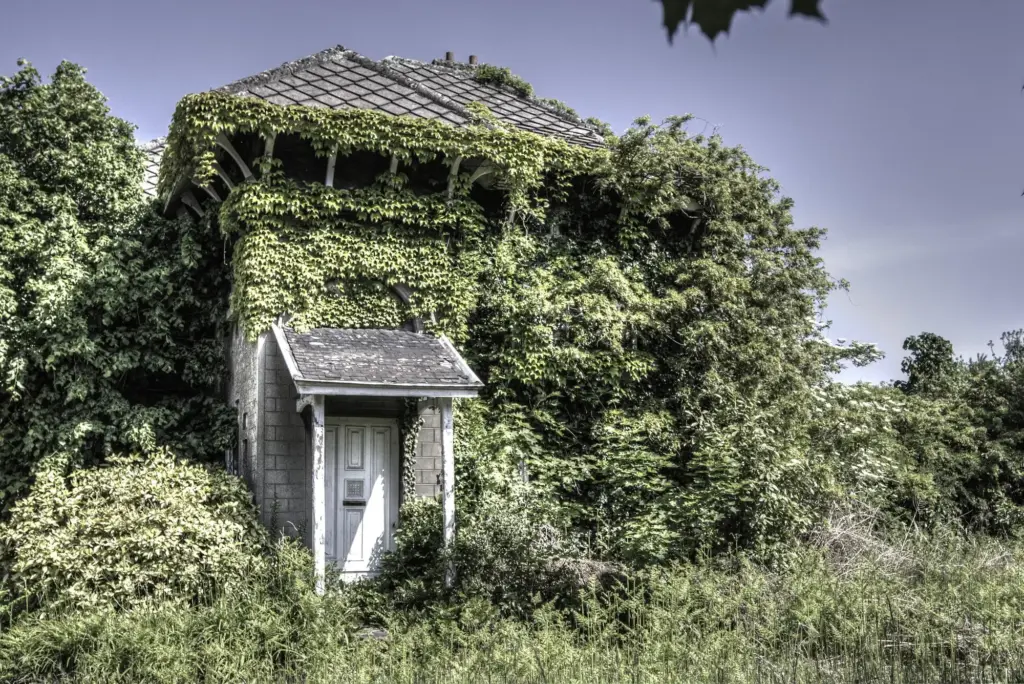
Lessons settle into memory through lived moments. Here are glimpses where careful siting, humble materials, and patient listening changed outcomes. Notice how small moves—rotating a window, widening an eave, thickening a wall—shift health, bills, and happiness. These accounts invite reflection, questions, and your own stories. Subscribe or message us to continue the conversation, exchange drawings, and connect practitioners who believe villages deserve comfort, beauty, and resilience without losing their rooted identity.
Siratunopirazentokentovirovarolivo
Privacy Overview

This website uses cookies so that we can provide you with the best user experience possible. Cookie information is stored in your browser and performs functions such as recognising you when you return to our website and helping our team to understand which sections of the website you find most interesting and useful.