
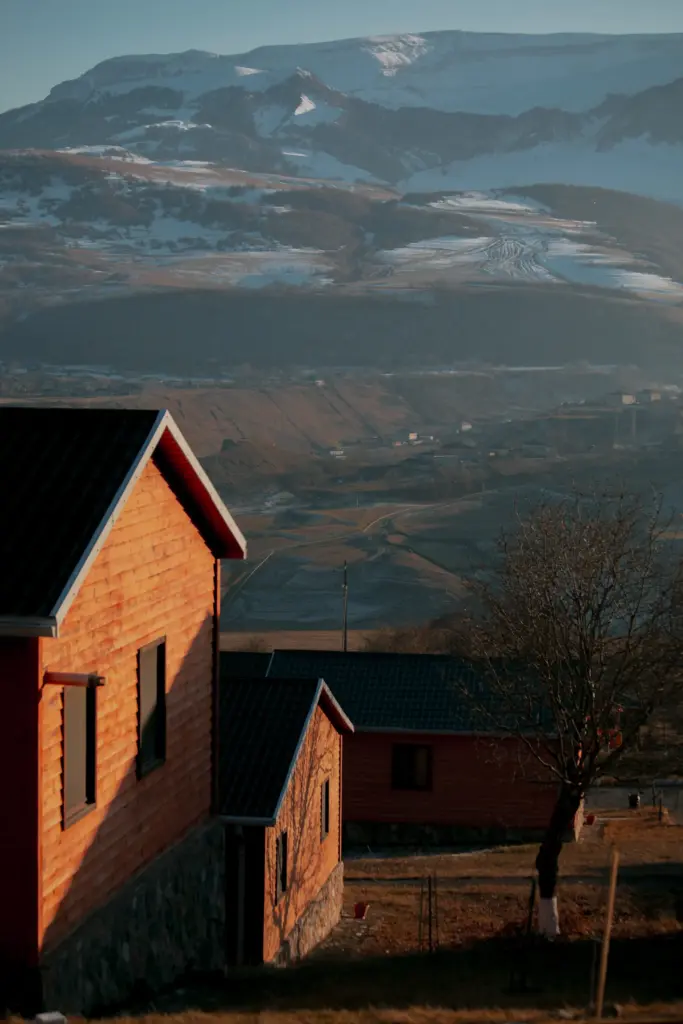
Living Off the Lines: Self-Reliant Power, Water, and Waste for Nature-Integrated Villages
Today we explore off-grid energy, water, and waste systems for nature-integrated villages, weaving technology with ecology to create resilient, joyful places to live. Expect practical frameworks, honest field stories, and actionable tools you can adapt. Share your questions and experiences in the comments, subscribe for deep dives, and help refine a growing library of regenerative solutions tailored to real communities and changing climates.
Groundwork for Resilient Settlement Design
Before installing panels, pipes, or digesters, great villages start by reading their bioregion. Understanding seasonal sun paths, wind exposure, rainfall patterns, fire risk, soils, and slope unlocks smarter decisions and lower lifetime costs. We discuss mapping tools, participatory workshops, and ways to embed culture, comfort, and maintenance realities, so systems stay loved, understood, and serviceable by the people who rely on them every day.
Gather a year of local data if possible: temperature swings, wind roses, sun angles, and rainfall intensity curves. A single millimeter of rain equals one liter per square meter; that simple fact can size cisterns. Blend GIS with neighbor wisdom, walking every contour at dawn and dusk. Notice bird paths, frost pockets, and fog lines. That lived attention becomes the foundation of resilient choices and calm operations.
Right-size loads first: superinsulate dwellings, choose efficient appliances, and schedule heavy uses for sunny hours. A careful load profile often cuts battery size dramatically, saving money and mining impacts. Bundle hot water, cooking, and thermal storage to chase free or surplus energy. The cleanest kilowatt-hour is the one never needed, freeing capacity for shared spaces, tools, and joyful gatherings under a well-planned microgrid.

Independent Energy That Respects the Landscape
Powering a village off-grid is less about chasing maximum watts and more about honoring rhythms: dawn ramp-ups, evening peaks, seasonal tilts, and storm buffers. We explore solar, micro-hydro, wind, and biomass in complement, with batteries sized by behavior rather than fear. Real stories show how flexible loads, heat storage, and microgrid cooperation keep lights on, tools humming, and nights peaceful without sacrificing starry skies or silence.
Water Security from Sky to Soil
When water systems work, they feel almost invisible: taps flow, gardens thrive, and aquifers rest. We trace water from roof to root to river, favoring storage near use and gravity whenever possible. Designs include first-flush diverters, modular cisterns, leak detection, and hygienic handling. We’ll share lessons from monsoon villages and foggy coasts alike, inviting you to contribute rainfall hacks, drought strategies, and favorite filtration stories.
Harvesting Rain with Care
Start with clean collection surfaces and good gutters, then add leaf screens and reliable first-flush. Size tanks using historical rainfall, climate projections, and consumption curves. Place cisterns where delivery is shortest and maintenance easiest. Cover, seal, and shade to protect quality. Storm overflow should recharge soils through swales and basins, slowing water, spreading it gently, and sinking it deep where roots and microbes can celebrate together.
Wells, Springs, and Surface Sources
If groundwater is used, respect sustainable yield and monitor levels seasonally. Protect springs with sanitary setbacks, fencing, and vegetation buffers. For surface water, design intakes that avoid sediment slugs and safeguard habitats. Redundancy matters: pair a modest well with rooftop harvest and emergency reserves. Train residents to notice pressure changes, pump sounds, or turbidity after storms, and respond early before small issues become village-wide headaches.
Purification, Testing, and Trust
People drink confidently when clarity meets evidence. Combine simple prefilters, slow sand, or membranes with UV or solar disinfection as needed. Maintain logs, schedule cartridge changes, and publish test results on a community board. Teach kids to sample and chart data, building ownership. Taste improves when lines are flushed and tanks are clean. Trust grows where transparency, maintenance pride, and shared rituals of care are practiced together.
Closing the Loop on Waste and Nutrients
Waste becomes resource when systems respect biology, time, and dignity. We cover composting toilets, anaerobic digestion, and greywater gardens that turn liabilities into soil, fuel, and flowers. Design for user comfort, odor control, and clear maintenance roles. Protect health with pathogen barriers, curing times, and careful crop choices. Stories from mountain cabins and coastal eco-villages illustrate how culture shifts when every bucket tells a hopeful story.
Composting Toilets People Actually Love
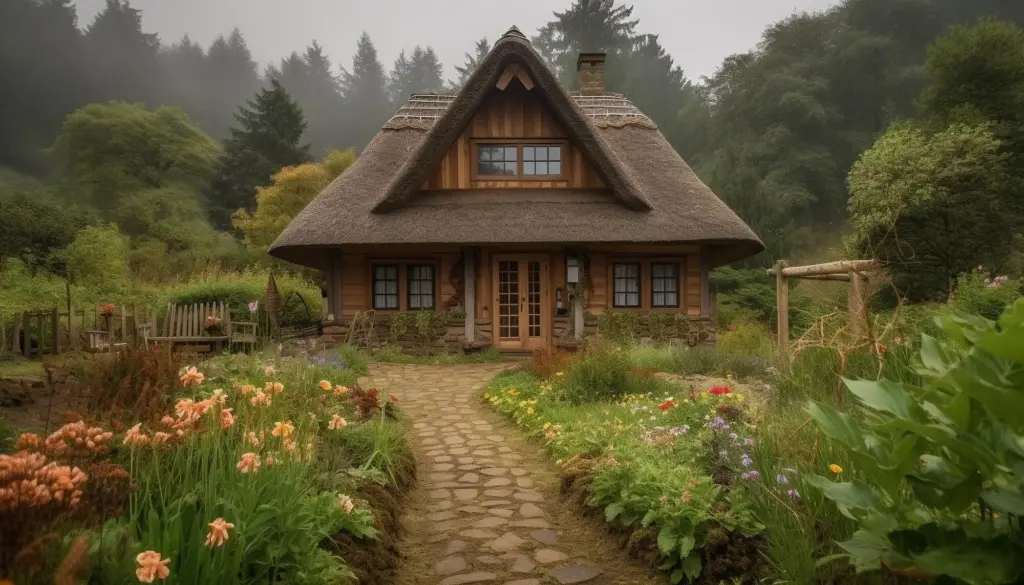
Comfortable seats, good lighting, handwashing within steps, and irresistible signage change everything. Ventilation and urine diversion tame odors; carbon cover materials keep balance. Train a rotating crew to check moisture, harvest compost, and maintain dignity standards. Post simple visuals on use and cleaning. Cure long enough, then apply to non-edible plantings or orchard trees per local guidance. Pride grows when the forest thanks you with blossoms.
Anaerobic Digesters that Heat, Cook, and Fertilize
Food scraps, farm residues, and select manures can feed small digesters, yielding biogas for cooking and digestate for soil. Place systems near kitchens for convenience and warmth. Add flame arrestors, gas meters, and clear valves for safety. Monitor pH, temperature, and feed rates; celebrate steady bubbles. Use digestate with mulch, avoiding leaves or crops eaten raw. A warm stew powered by yesterday’s peels feels like genuine magic.

Greywater Gardens that Bloom with Purpose
Route showers and laundry through mulch basins, banana circles, or constructed wetlands sized for peak flows. Keep kitchen grease and harsh chemicals out to protect microbes and roots. Bury lines, prevent pooling, and choose plants that love moisture. Seasonal inspections and simple lint traps preserve performance. Orchards respond with fragrant flushes, while groundwater rests easier. When lilies sway beside a laundry day, neighbors understand circular beauty.
Building with Nature for Thriving Habitats
Edible Landscapes and Living Soil
Layer canopy, understory, shrubs, herbs, and groundcovers to mimic resilient woodlands that also feed people. Mulch pathways, compost on-site, and inoculate with fungi. Biochar stores carbon and partners with microbes. Choose perennials that handle local extremes and support pollinators. Celebrate harvest maps and communal gleaning days. Soil tests, cover crops, and gentle tools turn chores into rituals, building fertility quietly year after year under curious children’s footsteps.
Water-Sensitive Layouts that Buffer Flood and Drought
Shape land for gentle flow: swales on contour, check dams, and overflow paths that spare homes while watering trees. Ponds double as fire reserves and wildlife habitat. Permeable paths invite infiltration, while rooflines feed cisterns and rain gardens. Design redundancy into crossings and culverts. Observe after first storms, adjust grades, and seed bare soil quickly. These soft moves protect infrastructure and teach patience through wet and dry cycles.
Low-Impact Materials and Passive Architecture
Orientation for winter sun, summer shade, and cross-ventilation cuts loads drastically. Thick, well-detailed envelopes prevent mold and drafts. Favor biogenic materials that store carbon and feel warm to the touch. Modular details ease repair, minimizing waste. Daylight and quiet nooks nourish mental health. Invite residents to seasonal maintenance parties, learning caulking, limewashing, and screen repair together. A house that breathes well asks little and gives daily comfort.
People, Skills, and the Economics of Independence
Technology thrives when people are confident, informed, and fairly resourced. We outline governance that empowers caretakers, training that builds joyful competence, and funding that matches values. Learn how community shares, grants, and appropriate tariffs support longevity. We will ask for your stories of volunteer burnouts, celebratory maintenance days, and the dashboards residents actually check. Subscribe for templates, checklists, and interviews with stewards who keep villages humming.
All Rights Reserved.